
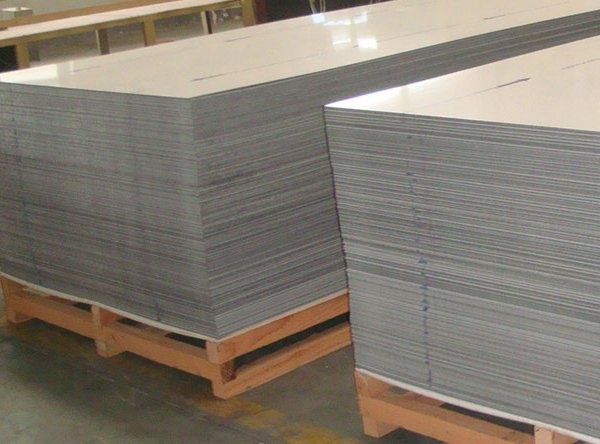
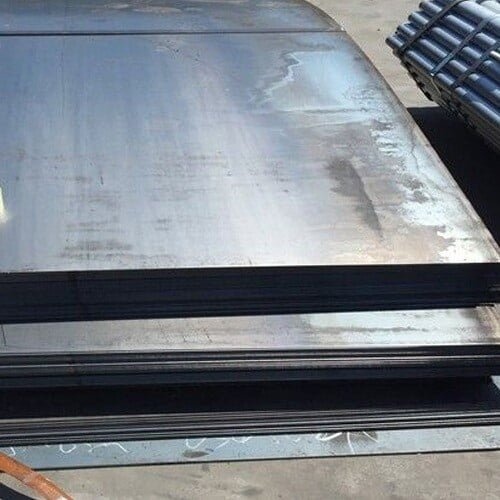
When your project requires very high strength, normal steel often isn’t enough. And that’s where Welten 780E steel plates come in. These plates are used in heavy structures where safety, load handling, and long service life are important factors to be considered.
What Welten 780E Steel Is
Welten 780E is a high-strength structural steel plate. The number 780 refers to its minimum yield strength. Because of this it can handle very high stress without bending or breaking. The letter E represents that the steel has good impact toughness at low temperatures.
So this grade is often chosen for structures that face heavy loads and tough conditions.
Why to Choose Welten 780E
Many buyers pick Welten 780E because it allows strong designs without making structures too heavy. You can use thinner plates and meet strength requirements. And that helps reduce overall weight and material cost.
It also performs well in cold environments. But like all high-strength steels, it needs proper handling during fabrication.
Chemical Composition of Welten 780E
The strength of Welten 780E is a result of controlled mix of elements. Each one plays a role in strength, toughness, and weldability.
Typical chemical composition includes:
- Carbon: 0.20%
- Silicon: 0.55%
- Manganese: 1.60%
- Phosphorus: 0.025%
- Sulfur: 0.015%
- Nickel: 2.00%
- Chromium: 1.50%
- Molybdenum: 0.70%
- Boron: added in very small amounts
And together, these elements help the steel stay strong while resisting cracking.
Mechanical Properties
Most buyers look at following values:
- Yield strength: 780 MPa
- Tensile strength: 780 to 930 MPa
- Elongation: 15%
- Impact toughness: tested at low temperatures
But actual results can vary slightly depending on plate thickness and heat treatment.
Key Specifications You Should Confirm
Before placing an order, it’s important to confirm a few basic details:
- Standard: JIS G3125
- Plate thickness: commonly from 6 mm to 100 mm
- Width and length: as per project needs
- Delivery condition: quenched and tempered
- Surface finish: mill finish or shot blasted
- Testing: impact testing and ultrasonic testing
- Certification: mill test certificate
And always check that the heat number on the plate matches the paperwork.
Welding and Fabrication
Welten 780E can be welded, but it needs care.
- Preheating may be required, especially for thick plates
- Low hydrogen electrodes are usually recommended
- Heat input should be controlled
So it’s best to follow approved welding procedures to avoid cracking.
Where Welten 780E Steel Plates Are Used
You’ll often find this grade in heavy-duty applications such as:
- Cranes and lifting equipment
- Construction and mining machinery
- Bridges and large structures
- Offshore platforms
- Pressure vessels
And in any place where failure is not an option, this steel is often considered.
Why This Grade Makes Sense
Welten 780E offers high strength, good toughness, and reliable performance. It helps engineers design safer structures without adding unnecessary weight. But the benefits only show when the steel is sourced correctly and fabricated with care.
Final Thoughts
Welten 780E steel plates are made for serious work. They handle heavy loads, perform well in low temperatures, and last a long time when used correctly. And once you understand the composition and specifications, choosing this grade becomes much easier and more confident.